How to Remove Stickers and Sticker Residue: 10 Easy Methods That Work
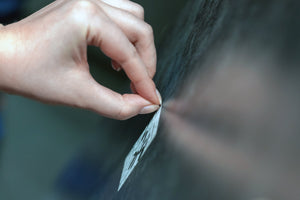

Everyone knows that annoying feeling of trying to remove a sticker. Only to be left with a bunch of sticky residue. You try to scratch the residue, but end up damaging the surface. And there’s always a spot or two left. Don’t worry, there are much better ways!
At Stomp, we know our stickers and how to remove stickers and their pesky sticker residue. From natural solutions to powerful chemical options, here are the best ways for removing stickers and sticker residue from all types of surfaces.
Because we don’t want our customers to end up in a sticky situation.
Quick Jumps for Busy Humans
What Is The Difference Between a Permanent Sticker and a Removable Sticker?
Before we get into the best ways to remove stickers, let’s quickly explain the important distinction between a permanent sticker and a removable sticker. The name makes it pretty obvious, but in case you still have questions, we’ll quote ourselves:
“The permanent sticker has a pressure-sensitive adhesive that does not allow removal from a surface it is applied to without causing damage to the sticker or leaving some sticky residue (dependent on the length of time on a given surface). The removable sticker has a low-tack adhesive that can be removed quickly and cleanly from a surface.”
When to Use Removable Vinyl Stickers
Removable vinyl stickers are best for short-term use on items (such as food), where you don’t want to leave behind a sticky residue. This standard sticker material is the go-to choice for:
- Food Packaging
- Home Organization
- Electronic Stickers
- Appliance Stickers
- Calendar Stickers
- Name Tags
- Windows
When to Use Permanent Stickers
Meanwhile, if you want to use a label or distinguisher and ensure it really lasts, permanent vinyl stickers are the way to go. It’s the best material for applying to items like the following:
- Work Gear
- Clothing Tags
- Storefronts
- Watercrafts
- Doors
- Industrial Machinery
- Waste Bins
Get Your Next Removable or Permanent Stickers
How to Remove Stickers: Our Top 10 Sticker Removal Strategies
Whether you want to remove stickers from glass, plastic, wood, electronics, or metal, there are a variety of strategies that will get the job done. Here are 10 sticker-removal methods that will leave your surface clean and ready for slapping on a new customized sticker.
Be gone, sticker residue!

1. White Vinegar
White vinegar is excellent for cleaning in general, and that’s no different when removing stickers and sticker residue.
The process is simple. Soak a cloth with white vinegar. Cover the residue area with the rag and soak it for about half an hour. The sticker should gently wipe away clean. But if you don’t get it all, rinse and repeat until it’s all gone
2. Isopropyl Rubbing Alcohol
Alcohol-based products are very effective at dissolving sticker adhesive, and it’s one of the safer options for removing sticker residue from laptops (just don’t pour it directly onto it!). You can use rubbing alcohol, nail polish remover, or even clear, unflavored vodka. Once you’ve decided on the type of alcohol:
- Soak a rag or paper towel in it.
- Cover the sticker or sticker residue for about 30 minutes.
- Then wipe it away.
- Similar to the white vinegar sticker-removal strategy, if you can’t remove the sticker entirely, just rinse and repeat until it's gone.
Can hand sanitizer remove sticker residue?
Yes! Due to its high alcohol content, hand sanitizer can easily break down adhesive and dissolve sticker residue from surfaces. It’s also safe to use on most surfaces, including wood, metal, and glass.
3. Goo Gone
Goo Gone is a powerful adhesive remover that’s safe for most surfaces, including glass, metals, and plastic. When removing stickers or sticker residue from a surface, simply spray the surface with Goo Gone and let it sit until the residue has absorbed the solution. From there, simply wipe or scrub the surface with a wet towel to be sure all remnants are cleaned away properly.
4. Hair Dryer
For stickers that are a little more stubborn (such as bumper stickers), heat is a very effective and easy way to remove them. And hair dryers are safe for wood surfaces and help prevent marks. Just turn your hair dryer on low and point it toward the sticker. After about 30 seconds, it should start to peel off.
🛑 Important note: If you decide to use heat to remove a sticker, make sure the surface is heat-friendly. The last thing we want is for you to fry your laptop because you decided to remove an old Black Flag sticker.
5. Peanut Butter, Mayonnaise, & Cooking Oil
This one might seem kind of funny. But it works! Similar to the old trick for removing gum from hair, food products can be used for sticker removal. Take either peanut butter (we’d recommend smooth, for obvious reasons), mayonnaise, or cooking oil. Slather it on the sticker you want to remove and wait between 30 and 60 minutes. The oily, high-fat content of both will cause the sticker to loosen, and you should be able to wipe it off cleanly.
How Do I Remove Stickers From Wood Without Damaging the Finish?
For wood surfaces, opt for a gentle approach, like heating the sticker with a hair dryer and peeling it off slowly. If there’s residue, use a tiny amount of cooking oil or vinegar on a cloth, but avoid soaking the wood.
6. Baking Soda With Coconut Oil
Here’s another solution to sticky situations that you can find in your kitchen cupboards:
- Combine a few teaspoons of baking soda with a few drops of coconut oil.
- It will form a thick paste.
- Apply the paste to the sticker and let it sit for about an hour as the oil saturates it, loosening the adhesive.
- Use a sponge to scrub away the paste. The sticker should easily peel off!
7. Hot Water and Dish Soap
Depending on the size of the surface the sticker is stuck to, you can remove stickers by immersing them in hot water (either in a sink or a bin), and adding a couple of drops of dish soap to the hot water. Allowing the sticker to soak until its residue softens will make it easier to remove.
8. Lemon Essential Oil
Essential oils are not just for soothing scents! They’re also perfect for removing stubborn sticker residue. In fact, all citrus oils are very effective at sticker removal due to their degreasing properties.
Simply add a few drops of lemon essential oil directly on the sticker, let it sit for 10 minutes, and wipe the sticker away.
🛑 Don’t use essential oil on plastic: If your sticker is on plastic, use a different method (cooking oil or dish soap is safe), as essential oils can damage plastic.
9. WD-40
WD-40 is a fast-acting penetrant that breaks down the rust bonds that hold parts together that are stuck. While WD-40 has many uses, a little spritz is a frictionless way to remove stickers and their residue. Spray the lubricant on the sticker or sticker residue, and let it sit for several minutes. Once the WD-40 has soaked, use a rag to wipe away residue and clean the surface.
10. Plastic Scraper
While this is a more labor-intensive option, using a plastic scraper can be the least harmful way to remove a sticker from a surface. Consider applying warm water, rubbing alcohol, or even peanut butter to help loosen the sticker from the surface. Then remove the residue and leftover bits with a plastic scraper.
Make Your Brand Stick Out With Removable or Permanent Vinyl Stickers
Custom stickers are a practical way to reinforce your brand. But whether you choose removable or permanent vinyl stickers depends on your goals: Looking to brand your latest craft brew creation? Or are you handing them out as marketing materials? Either way, Stomp has all your sticker needs covered!
🎨 Start Creating Your Custom Stickers on Stomp
Last updated: February 2026
- Lisa Brown